If green tea has ever tasted bitter or grassy to you, the tea probably wasn’t the problem. In most cases, it was the water.
Green tea is gentler than black tea, and it asks to be treated that way. Get three small things right and the same leaves that tasted harsh yesterday will taste smooth, soft and naturally sweet today.
1. Let the water cool down first
Boiling water is the most common reason green tea turns bitter. Very hot water draws out the sharper, more astringent compounds in the leaf faster than the sweeter, rounder ones.
Below 75°CFlat and thin. The flavour never quite opens up.
80–85°CSmooth, rounded and gently sweet.
95–100°CSharp, grassy and bitter on the finish.
Bring the water to a boil, switch it off and let it rest for two to three minutes before pouring. A kettle with temperature settings does the same job in one step.
2. Watch the clock
Three to four minutes is the sweet spot for most green tea blends. Under that, the cup can taste thin. Much past it, bitterness starts to build.
Keep the lid on while it steeps. It holds the heat steady and keeps the aroma in the cup instead of the air. And when the time is up, strain all of it. Leaves left sitting in the cup keep brewing, which is why the last few sips are often the most bitter.
3. Measure, don’t guess
One level-to-heaped teaspoon, about 2.5 g, for a 200 ml cup is a good place to start. Too much tea in too little water concentrates everything, including the bitter notes.
More leaf gives more flavour. More time mostly gives more bitterness.
So if you’d like a stronger cup, add a little more tea rather than steeping it longer.
Why loose leaf tastes different
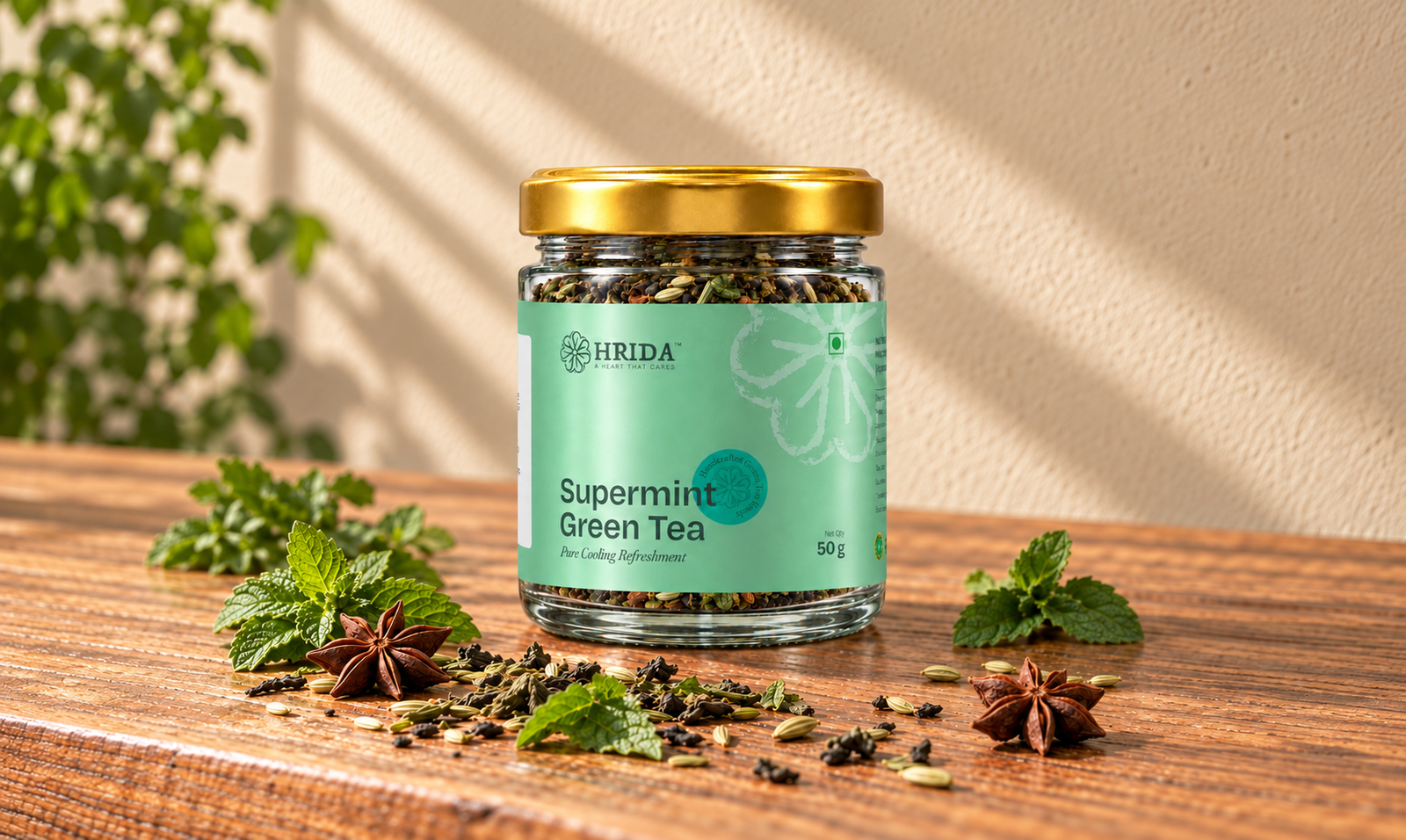
Loose leaf tea has room to open up as it steeps, so the flavour comes out slowly and evenly. The fine fannings in most tea bags release flavour very quickly, which makes them easy to over-brew.
That’s one reason every HRIDA blend is loose leaf. You can see what’s in the jar, and you have more control over the cup.
Brewing Apple Cinnamon Green Tea, step by step
Here’s how we brew our Apple Cinnamon Green Tea, a blend of green tea, apple, cinnamon and a touch of ginger.
Boil fresh water and let it sit for two to three minutes.
Add one teaspoon of the blend to a strainer or teapot.
Pour 200 ml of water over the leaves and put the lid on.
Then strain completely, so nothing keeps brewing.
Let it rest a minute, then stir in half a teaspoon of honey.
Brewed this way, the apple stays soft, the cinnamon stays warm rather than sharp, and the green tea underneath tastes clean. It’s the cup we reach for during a slow afternoon or a reading break.
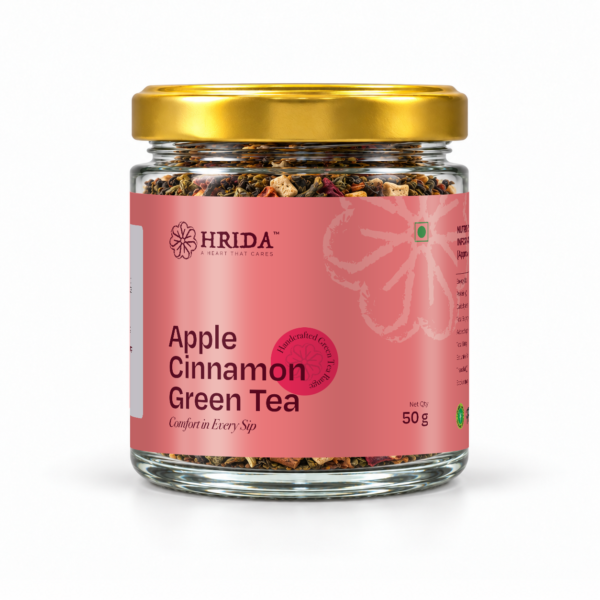
Apple, cinnamon and a touch of ginger in loose leaf green tea. About 20 cups per 50 g jar.
View the teaWhich honey to add
Honey and green tea get along well, as long as the honey suits the blend. Two easy starting points:
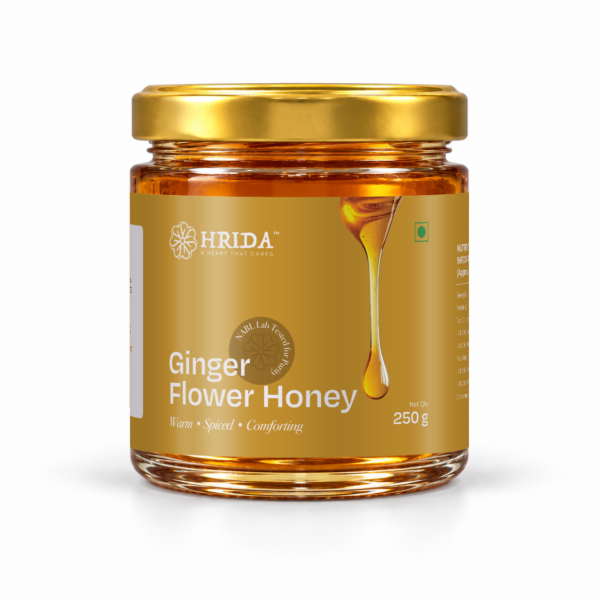
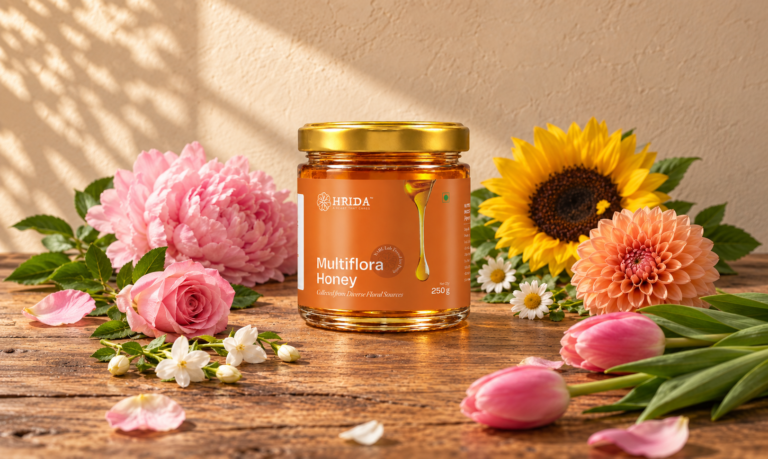
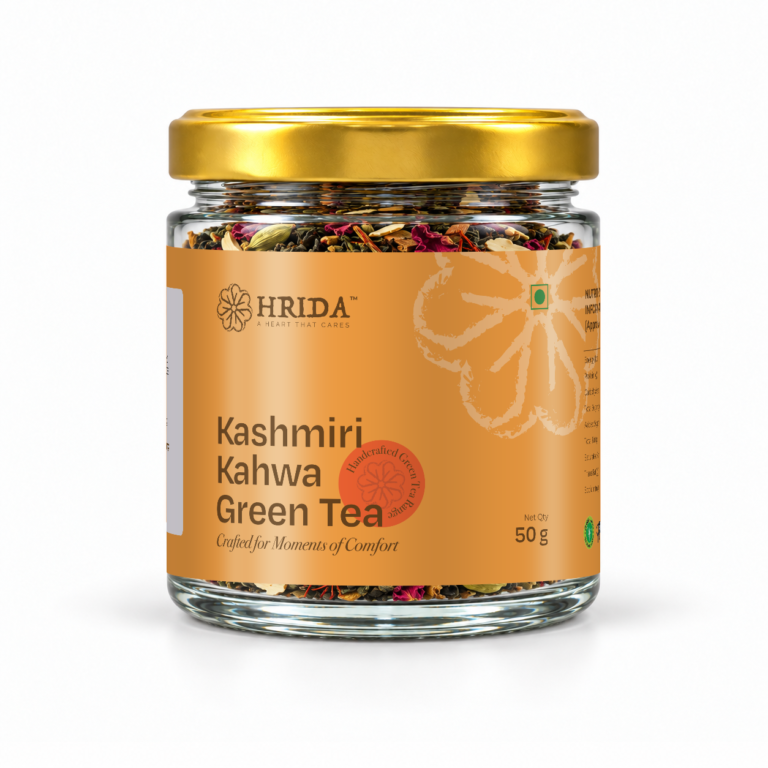
Warm and gently spiced. It echoes the cinnamon in Apple Cinnamon and Kashmiri Kahwa.
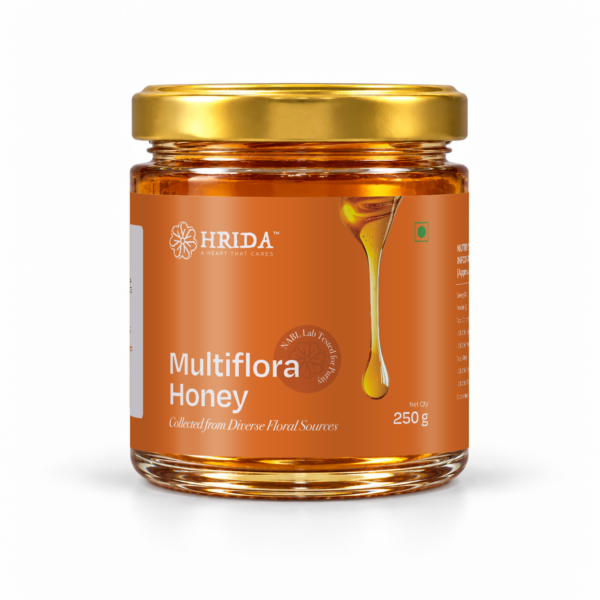
Rounded and mild. It lets Mango or Strawberry stay in front.
Wait a minute after straining. Very hot water can flatten honey’s flavour. For more combinations, see our tea and honey pairing guide.
Making it iced
Common questions
Why does my green tea taste bitter?
Usually because the water was too hot, the tea steeped too long, or the leaves were left in the cup. Try 80–85°C water, 3–4 minutes, and strain fully.
Can I use boiling water for green tea?
You can, but it tends to make the cup harsher. Letting boiled water rest for two to three minutes makes a noticeable difference.
Should I add milk to green tea?
We’d suggest not. Milk covers the lighter flavours that make green tea worth drinking. A little honey is a better match.
Does green tea have caffeine?
Yes, though generally less than coffee. For the evening, our Good Night Tisane is caffeine-free.
How many cups does a 50 g jar make?
About 20 cups at one teaspoon per cup.
A small ritual, done well
Good green tea doesn’t need much. Cooler water, a few minutes of patience and a clean strain. Once you’ve tasted the difference, it’s hard to go back to a rushed cup.